Assessing the Value of a Rolex Super Clone with Authentic 4130 Movement Performance
Over the past several years I have bought and worn multiple high quality rolex replica versions of the Cosmograph Daytona. My focus stayed on models built around the 4130 movement because that component determines how the watch actually behaves once it leaves the box. The decision to purchase or walk away usually comes down to whether the chronograph works smoothly every day and whether the piece still feels worth keeping after six or twelve months of real wear.
From what I have seen, surface-level photos rarely tell the full story. I sourced several examples through a replica watches shop that provides detailed QC images and allows direct comparison before payment. That process helped me separate marketing claims from what ends up on the wrist.
In my experience the 4130-equipped pieces sit in a narrow band between obvious low-end fakes and genuine Rolex. They deliver enough of the original character to satisfy daily use for many owners, yet they still carry clear limitations in long-term serviceability and tiny mechanical details. Understanding those trade-offs is the only way to decide if one belongs in your collection.
The Specifics of the 4130 Clone Movement – Structure, Specs, and Real Performance
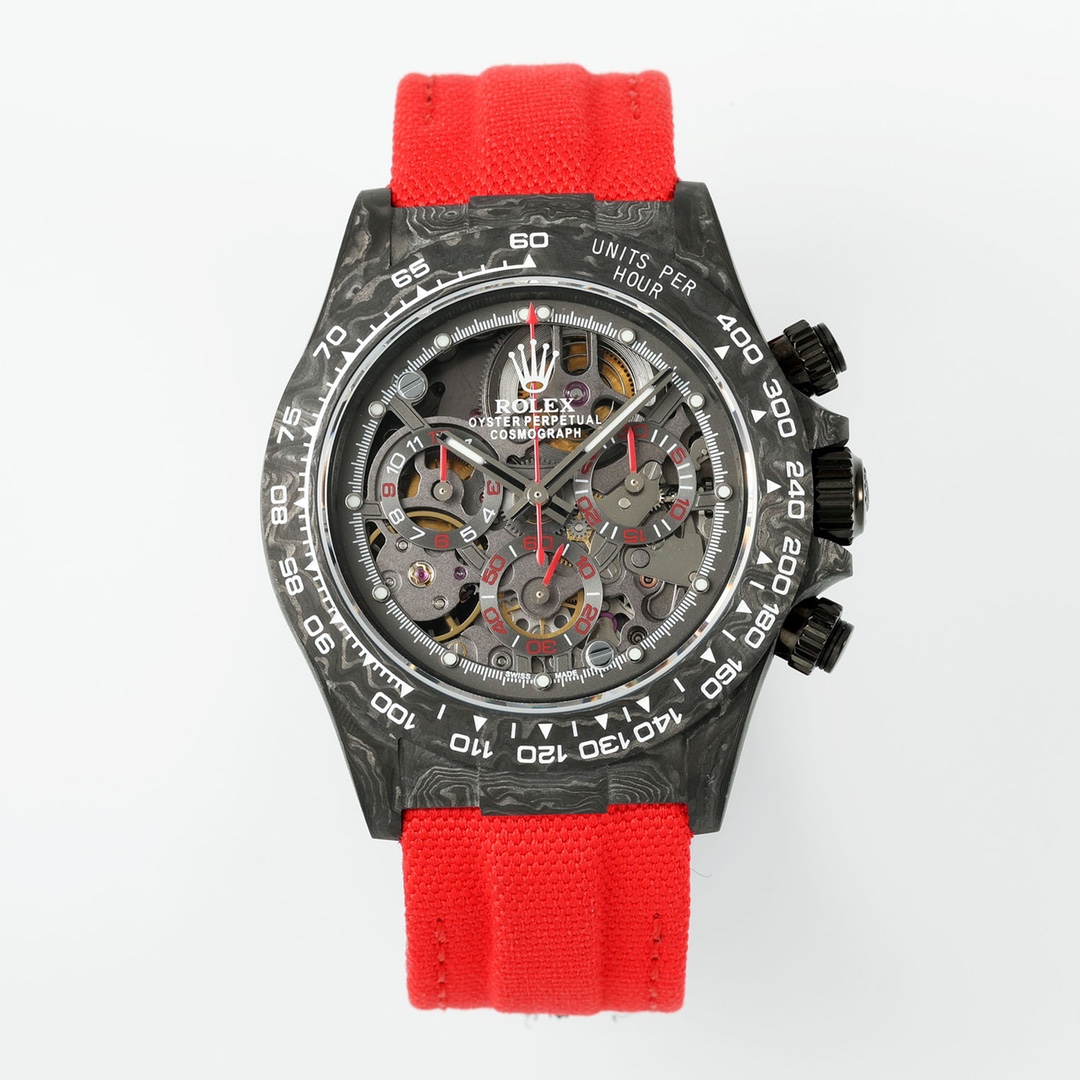
The movement sold as the 4130 clone in current top-tier super clone watches is a purpose-built automatic chronograph, most commonly the Dandong version used by Clean Factory on Daytona references such as the 116500 and 126500. It is not a perfect 1:1 clone. Certain internal elements differ in execution: the hairspring attaches differently, the balance regulation uses a traditional index arm instead of the genuine free-sprung screw system, and some bridge finishing shows slight polishing variations under close inspection. Despite those differences the overall architecture stays remarkably close to the genuine Rolex Caliber 4130.
The clone reproduces the column-wheel chronograph layout and vertical clutch exactly as they appear in the original. That single design choice keeps the movement thickness at approximately 12.2 mm, which in turn lets the replica case maintain the correct proportions and lug-to-lug feel of the genuine watch. Cheaper movements based on modified 7750 designs sit thicker, force the case to be reshaped, and produce a noticeably different pusher resistance. The 4130 clone avoids those compromises, which is why the best examples feel balanced on the wrist rather than front-heavy or awkward when the chronograph runs.
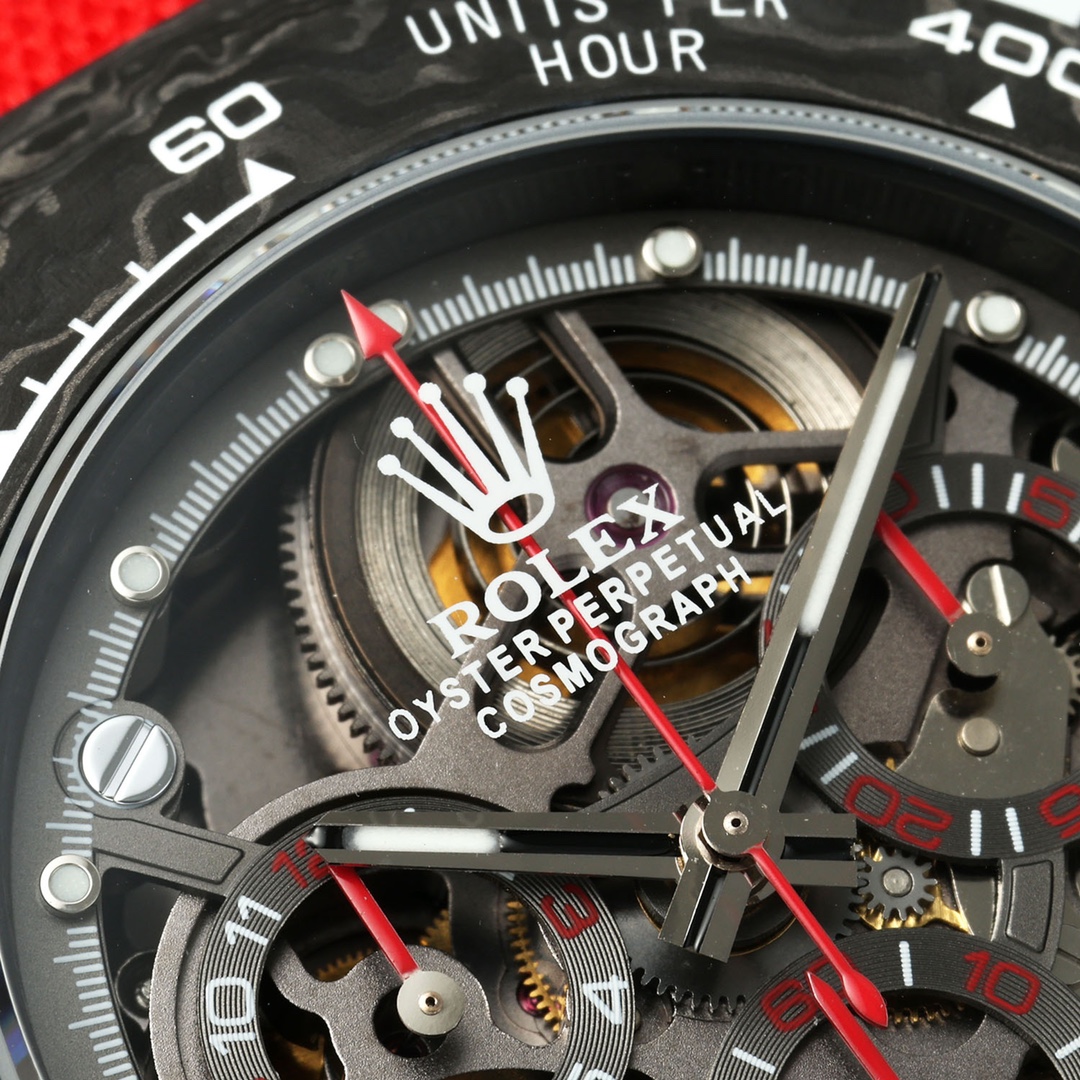
Power reserve on the genuine 4130 is rated at 72 hours. In practice the clone versions I have owned and timed deliver between 48 and 60 hours depending on how often the chronograph is used and how fully the watch is wound. That gap rarely affects someone who rotates the piece daily, but it becomes noticeable if the watch sits in a drawer for more than two days. Timekeeping stability in the better-finished clones has been consistent at roughly ±5 seconds per day over multi-month periods in my own testing. The vertical clutch reduces unnecessary wear on the chronograph train, which helps explain why these movements often continue running cleanly longer than older modified-base alternatives.
Repair difficulty sits higher than with standard movements. Because the parts are proprietary to the clone rather than interchangeable with ETA or Sellita components, most local watchmakers decline the work or charge premium rates. I have sent pieces back to the original seller for adjustments within the first year; after that window the options narrow quickly. This reality changes the total cost of ownership even when the initial purchase price looks attractive.
Structural Similarities That Actually Affect Daily Use
The column wheel and vertical clutch are the two elements that translate most directly into user experience. On the genuine 4130 the chronograph starts and stops with a clean, short pusher travel and resets to zero without visible lag or bounce. The best 4130 clones replicate that action closely enough that casual timing of phone calls or laps feels natural. Sub-dial spacing and hand length also match closely enough in Clean Factory examples that the eye does not immediately register misalignment when glancing at the watch during normal wear. These similarities are why the movement earns its reputation; they are not marketing points but measurable improvements over movements that simply stamp "4130" on a different base caliber.
Real-World Stability and What Happens When Something Fails
Stability in the Clean Factory 4130 v2 versions has been the strongest I have encountered among replica chronographs. One example I wore for nine months stayed within acceptable daily variation without regulation. The rotor winds efficiently and the watch rarely stops even after a full day off the wrist. When an issue does appear—most often a chronograph pusher that develops extra play or a gradual drift after a shock—the repair path is narrow. Generic parts do not fit, and the movement requires someone who already understands these specific clones. That constraint is the main reason I now treat these watches as high-use tools rather than set-and-forget heirlooms.
Comparing Factory Outputs for 4130 Super Clone Daytonas
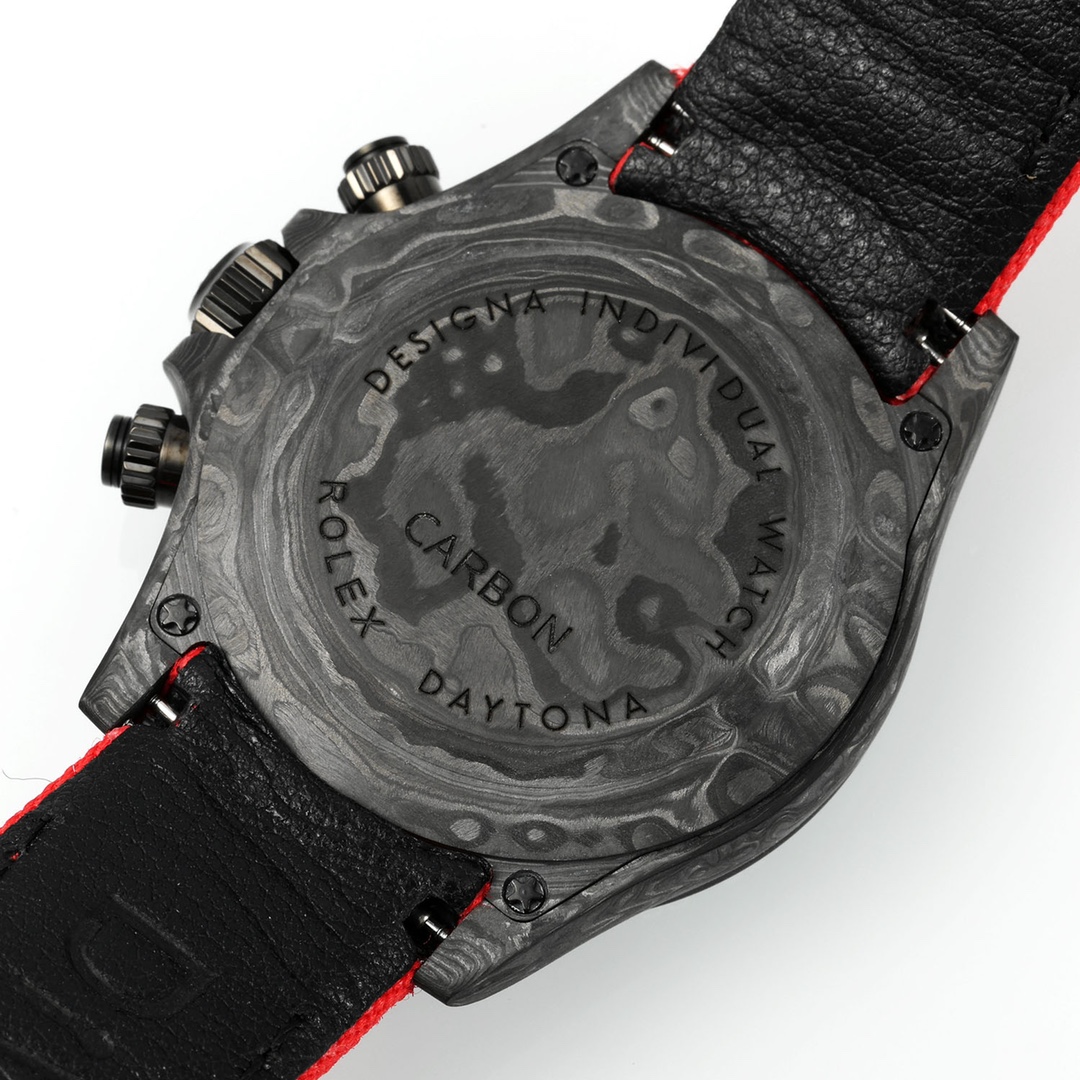
Not every factory that advertises a 4130 movement delivers the same result. Clean Factory's execution on the 116500LN and 126500LN panda models has consistently outperformed the versions I tested from VS Factory and BT Factory in three measurable areas: sub-dial alignment under the crystal, case-edge finishing where the bezel meets the mid-case, and the smoothness of the chronograph reset. VS Factory examples sometimes show tighter dial printing on certain color ways and slightly stronger lume, yet the pusher feel and long-term rate stability trailed the Clean pieces in side-by-side wear tests I conducted.
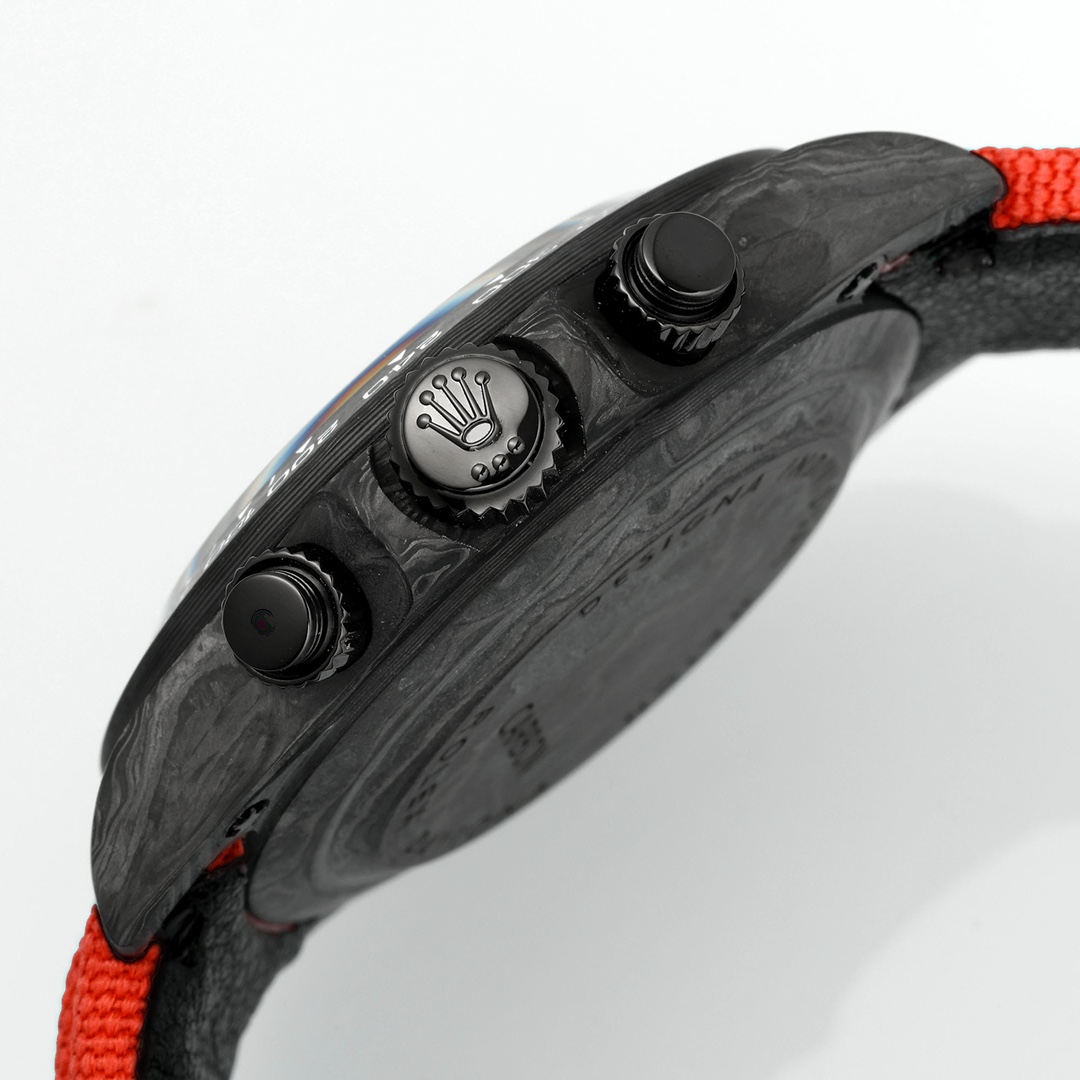
One common mistake is treating every "4130 super clone" label as interchangeable. Lower-tier factories have used the same movement number while substituting cheaper plates or skipping the vertical clutch refinement; the result looks similar in photos but feels different within weeks. Another frequent error is assuming newer 4131 clones automatically supersede 4130 versions. In my direct comparisons the 4130-based Clean pieces still edged out early 4131 attempts on overall package coherence, though that gap may close as factories refine the updated movement.
The practical takeaway is simple: if the chronograph function and case proportions matter most, Clean Factory's current 4130 offering remains the safer default for most buyers. If a specific dial color or bracelet option only exists from another factory, accept that you may be trading a small amount of mechanical refinement for that visual detail.
Two Common Pitfalls Buyers Encounter with Fake Rolex Watches
The first recurring mistake I see is chasing the lowest advertised price on anything labeled "4130 super clone." The movement itself costs the factory a meaningful amount to produce correctly. When a seller undercuts the market dramatically, corners have usually been cut elsewhere—either in the movement finishing, the crystal clarity, or the bracelet tolerances. The watch may pass a quick macro check yet develop loose end links or a gritty crown within months. I learned this the hard way on an early purchase that looked identical in photos but never felt cohesive on the wrist.
The second mistake is underestimating service realities. Even when the initial movement performs well, eventual regulation or a pusher seal replacement requires either returning the watch to the original seller or locating a specialist who works on these clones. Many buyers assume local watch shops can handle anything mechanical; in practice most decline or quote prices that erase the original savings. This does not make the purchase unwise, but it does change the ownership equation. If you expect set-and-forget reliability or plan to keep the watch for a decade without intervention, the limitations become more relevant than the initial visual accuracy.
Wrist Test Versus Macro Test – The Practical Way to Evaluate These Pieces
A large portion of buyer research now revolves around macro photographs of the dial, hands, and movement. Those images are useful for catching gross factory errors such as crooked printing or obvious misalignments before the watch ships. They do not, however, predict how the piece will feel after a week of actual wear. The wrist test measures weight distribution, bracelet drape, pusher resistance, and whether the chronograph hand resets cleanly after repeated use. In every 4130 example I have kept long-term, the pieces that passed macro inspection but failed the wrist test were the ones I eventually sold or set aside.
On the wrist the better Clean Factory 4130 models feel balanced rather than noticeably lighter than genuine. The crown threads smoothly and the pushers require consistent pressure without sponginess. After several days the eye stops hunting for flaws and simply registers whether the watch keeps accurate time and operates without distraction. Macro shots cannot reveal whether the rotor produces a slight whine that becomes noticeable in a quiet room or whether the chronograph seconds hand sits perfectly flat against the dial under normal lighting. Those details only surface during extended wear.
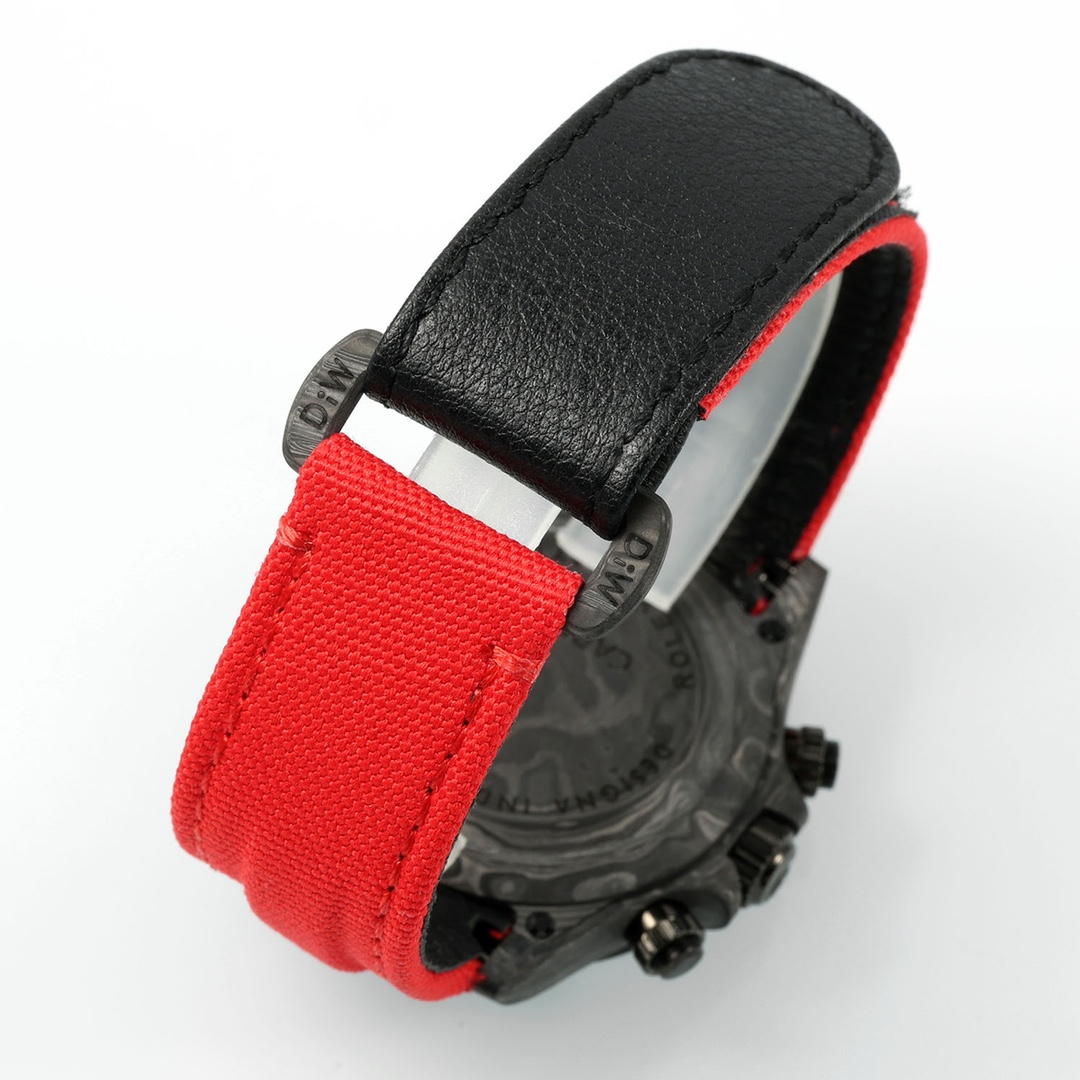
Buyers who rely solely on pre-shipment macro photos sometimes receive watches that look perfect in still images yet feel compromised the moment they are strapped on. Conversely, a piece with one or two minor visual quirks that performs flawlessly on the wrist tends to stay in rotation longer. The two evaluation methods serve different purposes; treating macro results as the final verdict is the faster route to regret.
My Experience-Based Advice for Deciding on a Purchase
After owning several 4130-equipped super clone watches and comparing them directly against both lower-tier replicas and genuine examples, the decision framework I now use is straightforward. If your primary goal is a chronograph that looks and functions close enough to satisfy daily timing tasks and social settings without drawing negative attention, a well-sourced Clean Factory 4130 model from a seller that provides QC photos and stands behind the piece can be a rational choice. The savings relative to genuine are substantial, and the functional gap in ordinary use is smaller than many expect.
If instead you value long-term serviceability, exact regulation behavior, or the certainty that any future issue can be addressed by any competent watchmaker, the limitations of even the best clone become more significant. In that case the 4130 super clone may still serve as a temporary or secondary piece, but it is unlikely to replace the role a genuine watch plays in a larger collection.
When exploring additional replica watches options, I recommend verifying the exact factory and movement version before payment, requesting recent QC that includes a clear view of the chronograph reset, and planning to test every function thoroughly within the first week of arrival. Wind the watch fully, run the chronograph through multiple start-stop-reset cycles, and time it against a known reference for at least 48 hours. Those steps surface most issues before the return window closes.
The 4130 movement itself is the strongest argument in favor of current high-end replicas for this model family. It removes the most obvious mechanical compromises that plagued earlier generations of fake rolex watches. Whether that improvement is enough to justify ownership still depends on your tolerance for the remaining gaps in serviceability and the small mechanical differences that only appear over extended use.